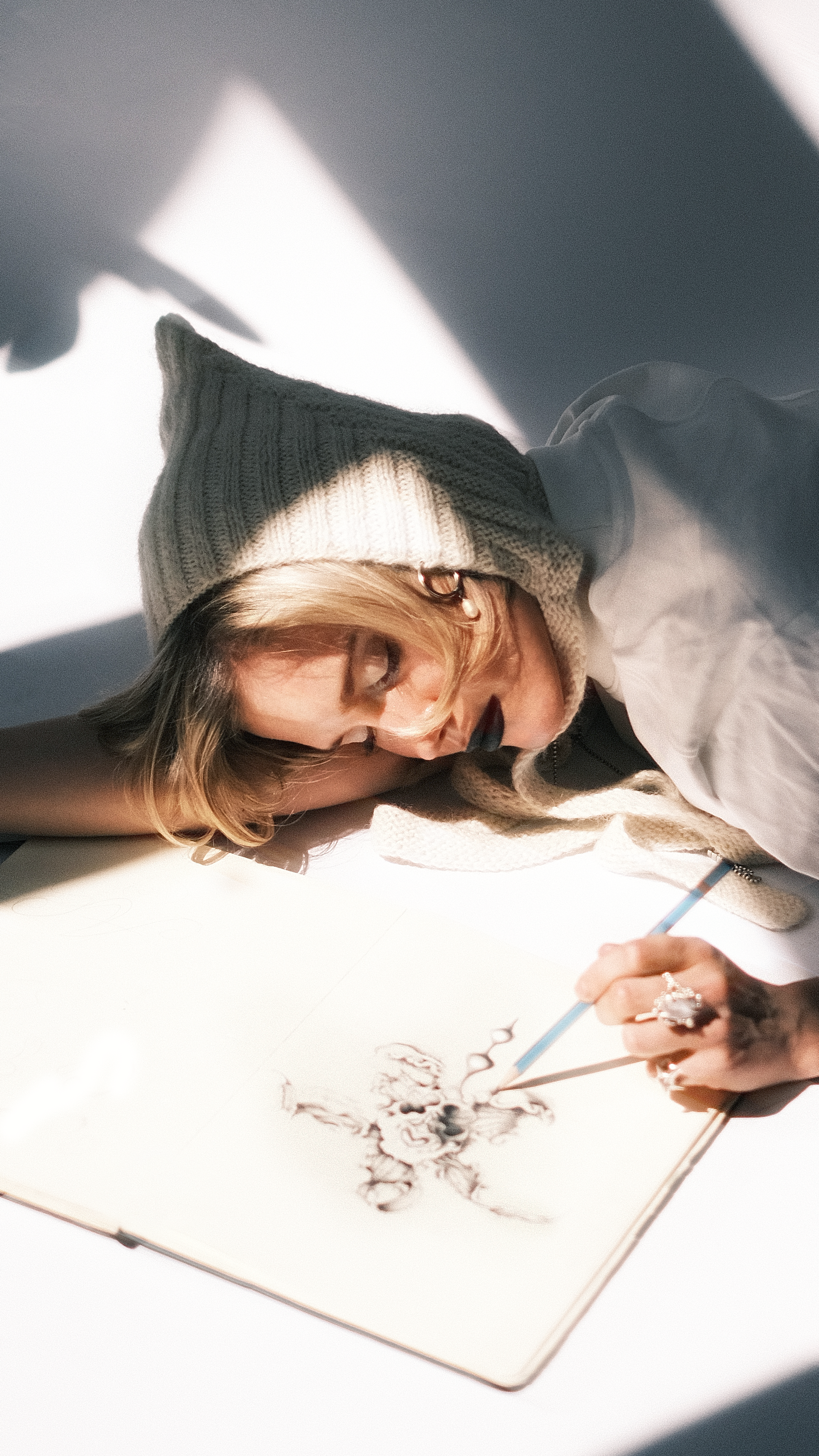
It was my third Design Week, but I can’t even count which visit to Milan this was for me. I have a special fondness for this city. It’s a blend of history and rich cultural heritage with new, thought-provoking art shown in beautiful spaces - alongside a culture of drinking espresso together, regardless of age. But Design Week transforms the city beyond recognition. It’s a nightmare for introverts and people with a fear of crowds, but a paradise for lovers of broadly understood design, collectors of experiences, and fans of layered socializing. Ubiquitous queues, getting lost in a sea of registrations and RSVPs for events, the absolute impossibility of seeing all the exhibitions, and a slight FOMO that something is passing you by. And yet I love this time, and I’d like to experience it every year.
What is Milan Design Week to me? Above all, a huge source of inspiration, but also a chance to meet my friends from all over the world in one place. And a source of pride, because lately Polish designers have been shining in Milan’s program.
DAY I
ALCOVA
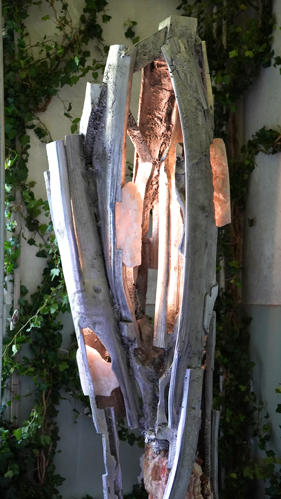
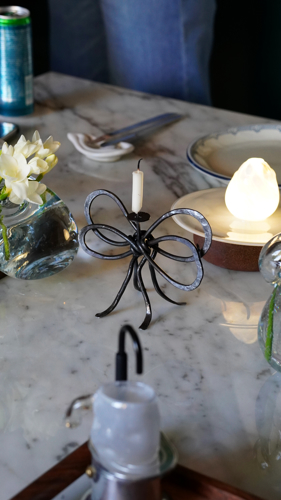
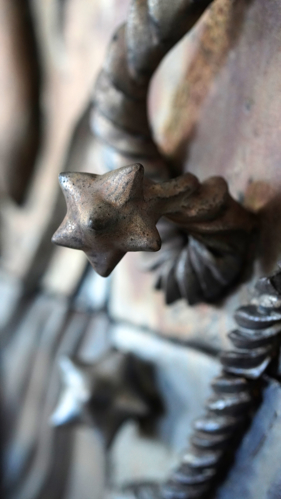
You’re walking between buildings, weaving through corridors, discovering more and more rooms full of surprises, oddities, and beauty. That’s how I experienced the first part of the Alcova exhibition at the Baggio Military Hospital. What stayed with me the most were: a tiny room with Korean design (lamps by Soslowstudio and Envy Envy), the atmosphere of the church (which was an incredible bonus that capped off the visit to Baggio), and a sculpture by Formsophy. Not to take anything away from the other objects - for example, the delightful, charming chair concept by Lara Bohinc, who believes that objects should have companions so that, like people, they don’t feel lonely. Hence the idea of a double chair that “hugs” the one beside it.
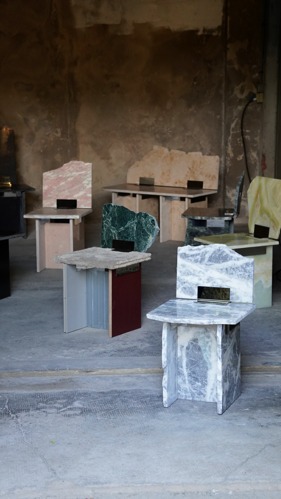
In the modernist Villa Pestarini, designed by Franco Albini, the marble chairs by AtMa inc. stood out. Simple forms, made from leftover stone from various construction processes, were connected with silver hinges. The surplus pieces of structural marble were selected so that they wouldn’t need any additional cutting. Such a simple idea - and such a successful one.
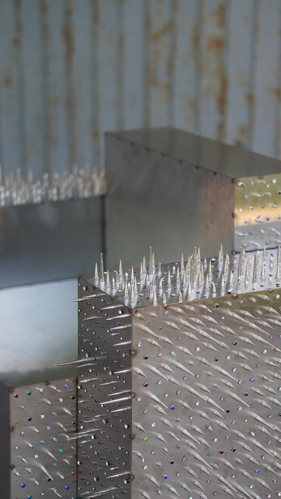
Below: AtMa inc. (1), CJ Aslan (2), Formsophy (3), Hamish Powell (4), Lara Bohnic (5), Leo Lague + Versa (6), Lejeune/Sohn/Schwers (7), Obscure Objects (8), Soslowstudio (9), Stella Arion (10), Szymon Keller (11), Worn Studio (12)
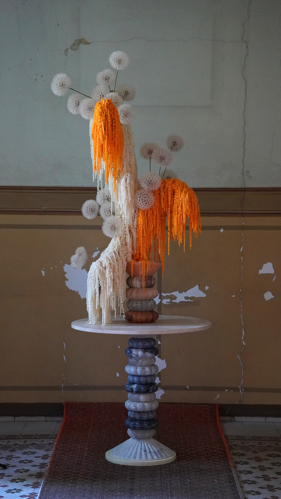
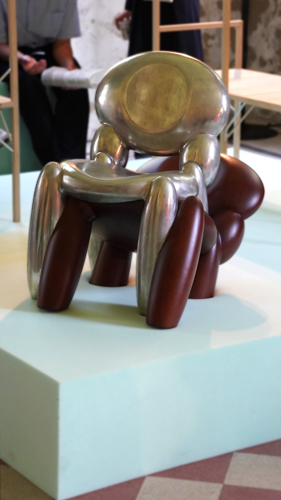
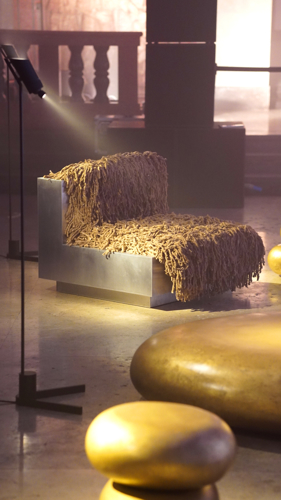
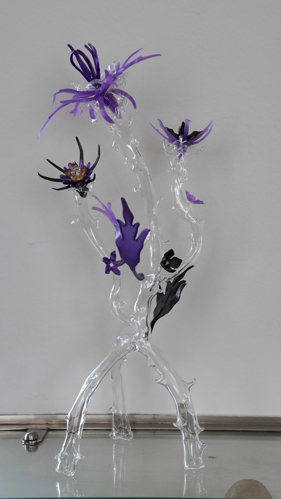
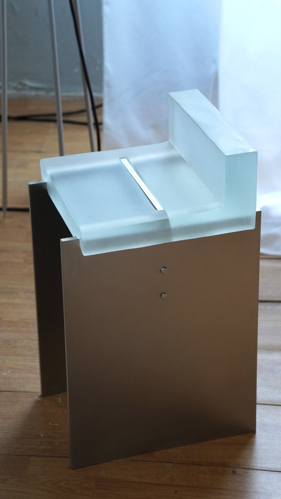
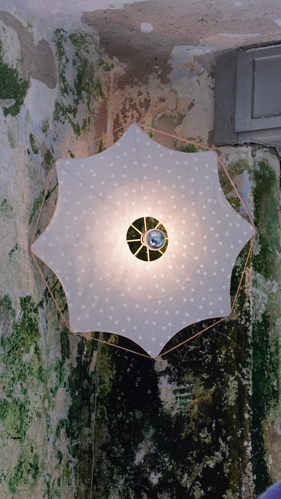
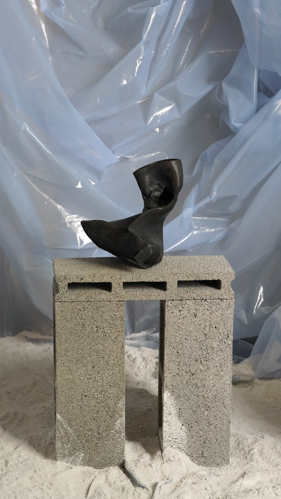
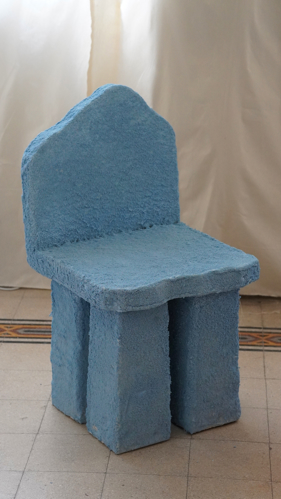
Visteria Foundation
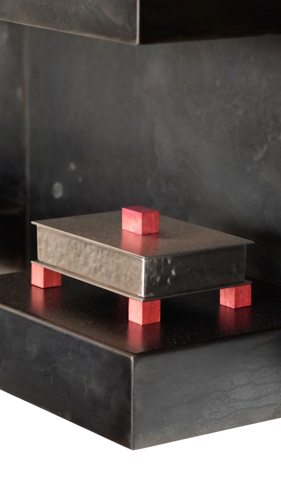
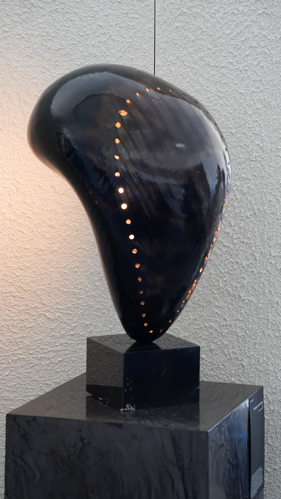
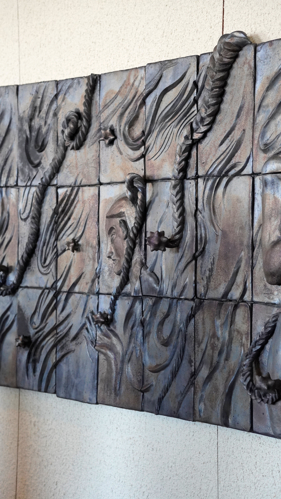
The exhibition “Polish Modernism: The Struggle for Beauty” took place in the iconic Torre Velasca building., a jewel of Italian Brutalism. On the sixteenth floor, in addition to a breathtaking panorama of Milan, visitors could admire icons of contemporary Polish design by Bimer Studio, Aleksandra Hyz, Paweł Olszczyński, and Maja Ganszyniec. Alongside them were original works by the most outstanding creators of applied arts from the mid-century era. It makes me truly happy that, for the second year in a row, the Visteria Foundation has been representing our country’s heritage in Milan.
Below: Aleksandra Hyz (1), Bimer Studio (2), Paweł Olszczyński (3,4)
DAY II
Nilufar
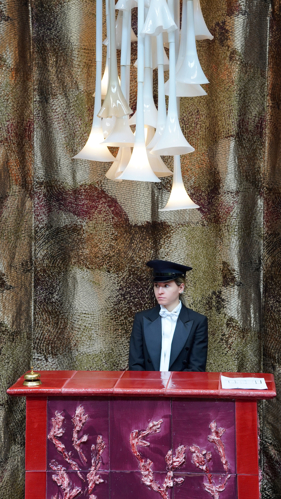
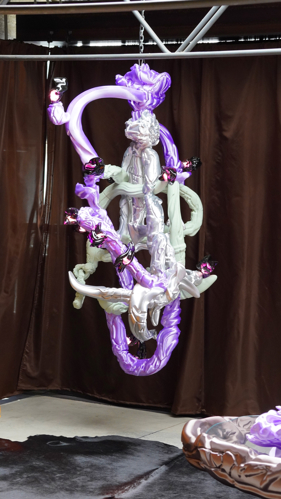
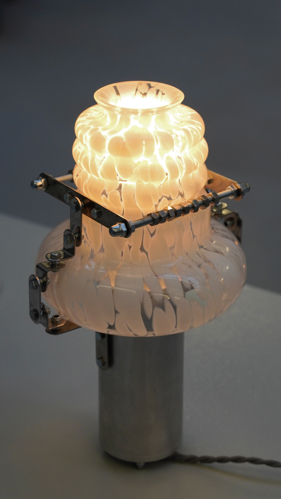
A Milan classic. Regardless of Milan Design Week, it’s always worth stopping by. Every year I’m captivated by Audrey Large’s work, and this time was no exception. Her new lamps look as if they’re from another universe, blurring the line between the digital and the physical, creating an entirely new, 21st-century aesthetic. It’s also worth mentioning Christian Pellizzari’s Murano glass lamps - more surreal pieces that transport us into a fairytale world. Among the lighting, what stayed with me were three penguins carved from metal, their bellies glowing, by Gabriella Crespi, an Italian designer who worked from the 1950s to the 1970s. A 1950 James Mont side table was equally beautiful.
Below: Nilufar Entrance (1), Audrey Large (2,3), Anestis Michalis (4), Christian Pellizzari (5), Derin Beren Yalcin (6), James Mont (7), Gabriella Crespi (8), TIPSTUDIO (9), Audrey Large (10), Lucia Massari (11), Gal Gaon & Salviati (12)
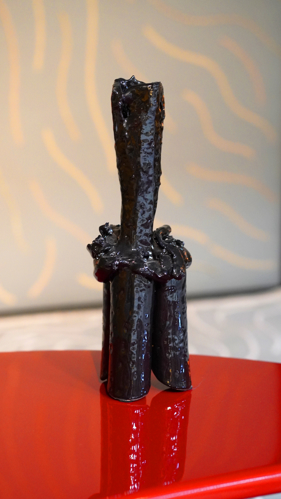
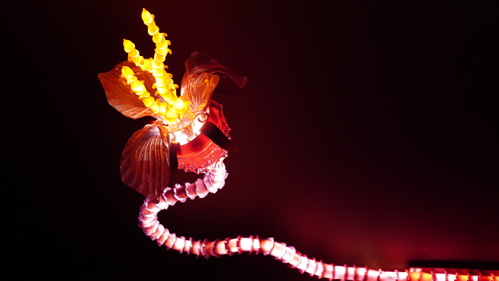
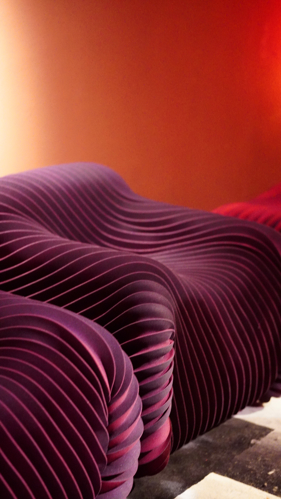
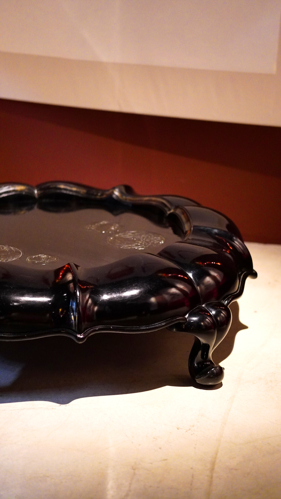
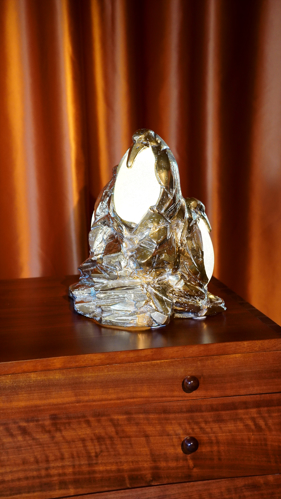
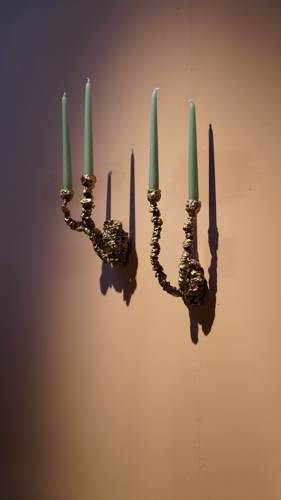
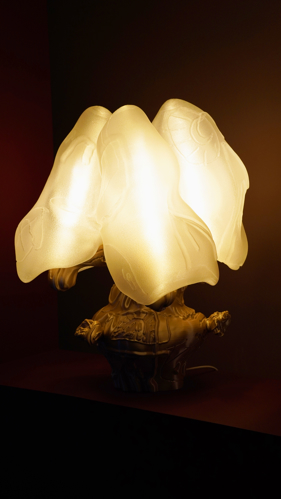
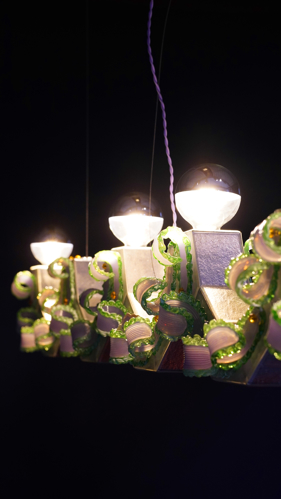
Marcin Rusak
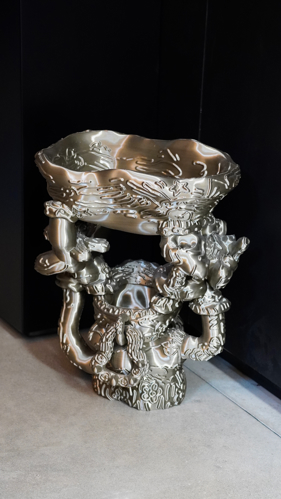
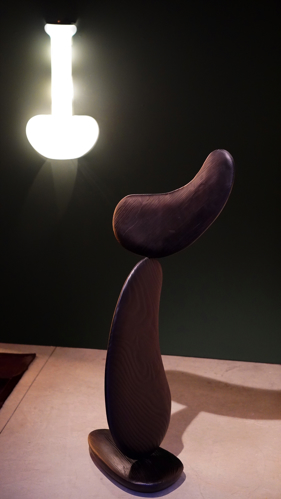
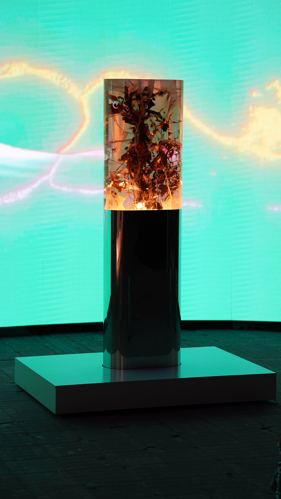
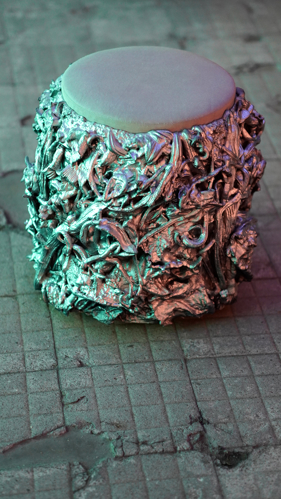
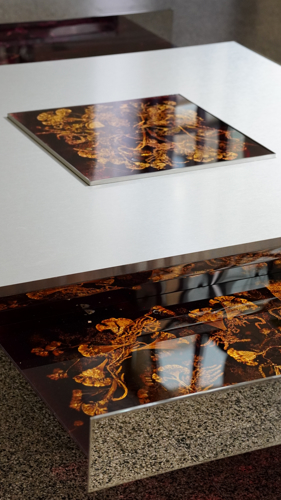
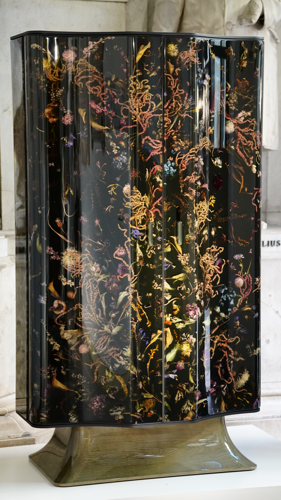
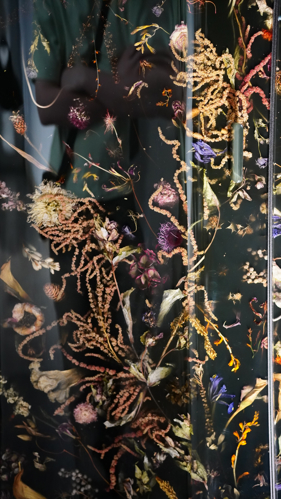
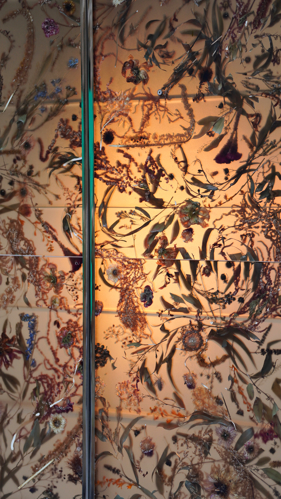
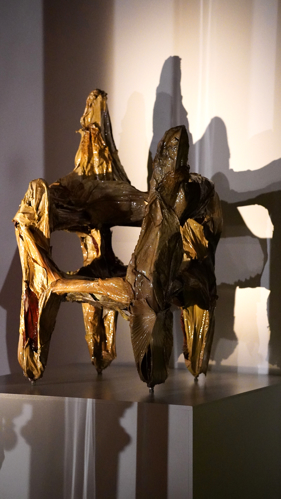
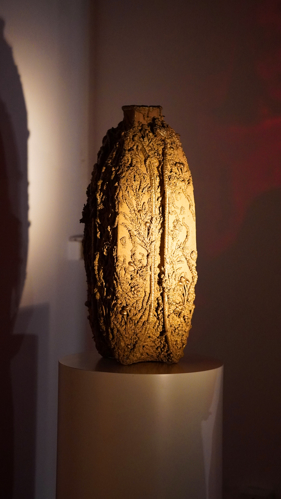
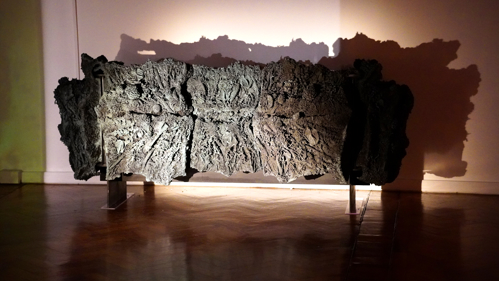
Marcin Rusak’s work has been resonating in the worlds of design and art for quite some time. His solo exhibition “Forum Florum” embodied everything that has always fascinated me about his approach to materials in dialogue with nature. It’s laboratory-like and scientific, yet it generates extraordinary, moving beauty. The works shown during Design Week spoke about the fleeting nature of time and our relationship with passing. A perfect example is a chair from “The Protoplasting Nature” collection, made from leaves coated in resin and arranged beforehand on a metal frame. Seven years ago, when the object was created, the leaves were a vivid green - but despite the treatment they underwent, over time they turned brown. One of the most intriguing techniques Marcin uses, however, is metalizing through thermal coating. It covers plants arranged into the shapes of various objects with a thin layer of melted metal. As part of “Forum Florum,” we could admire a dresser made this way, as well as stools placed around a huge screen.
COMUNE
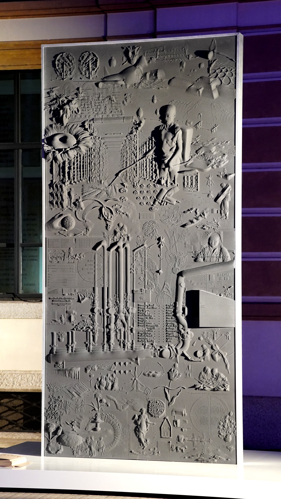
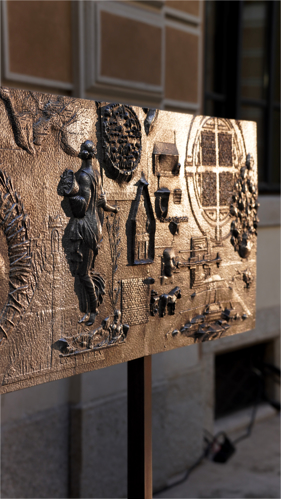
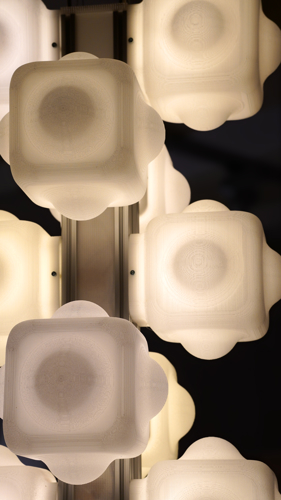
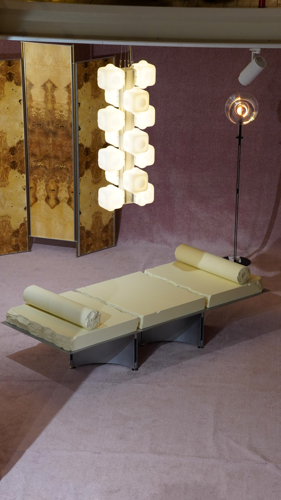
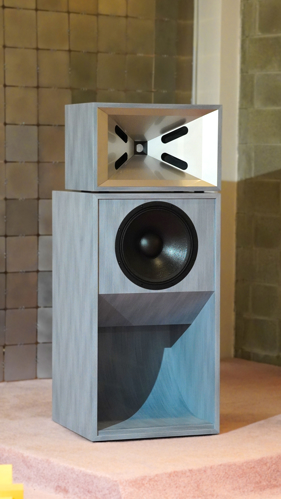
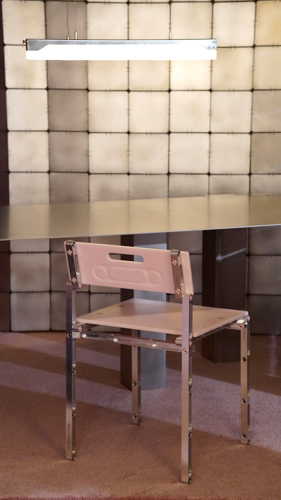
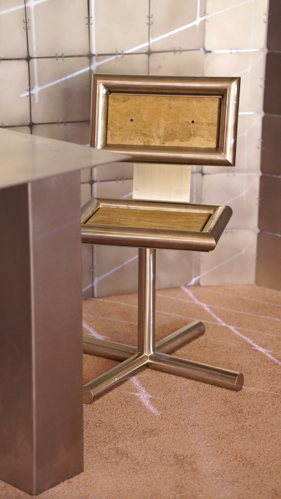
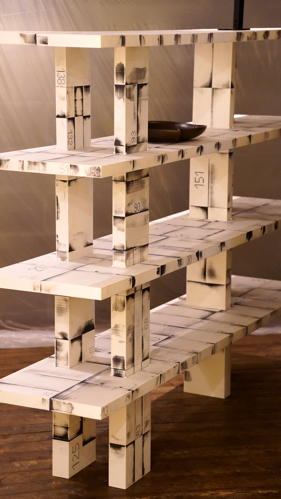
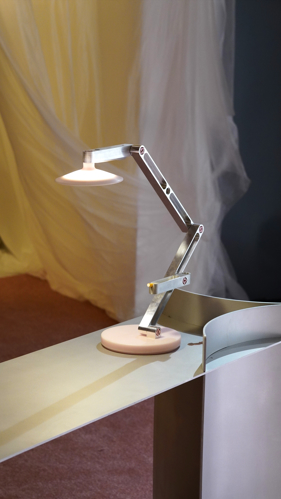
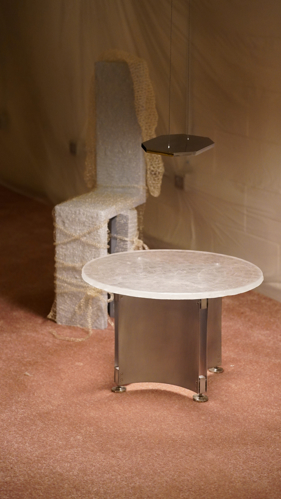
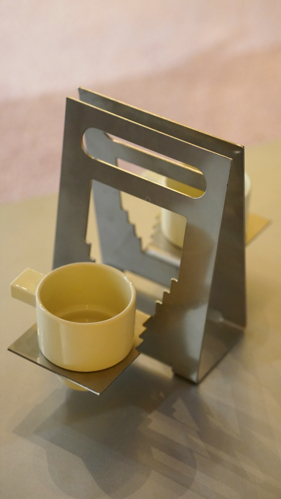
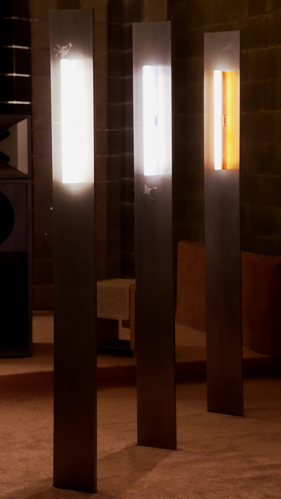
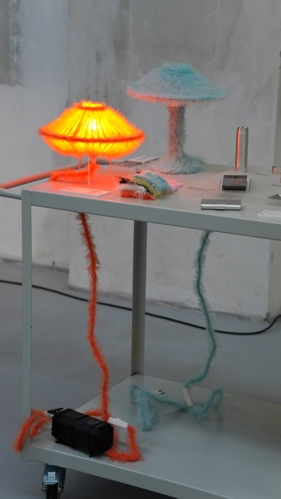
Punks in the world of “exclusivity.” COMUNE was founded in 2023 with the idea of showcasing designers, both established and emerging, while breaking away from the traditional, rigid gallery model. This year’s curatorial team: Lexavala (Jakub Szkaradek and Monika Kolasa), Dérive (Adam Skotczak and Jan Gliński), and The Good Living Co. (Monika Szyca-Thomas) - supported a host of wonderful projects. Among them: monumental blue speakers by Artefakta Studio, pink-and-steel pieces by Caspar Fischer, a daybed by Pablo Octavio, a lamp by Dérive that was largely 3D-printed, and a screen by Hasik featuring an abstract ash-wood pattern. There would be no COMUNE without a project by the legendary Lexavala - in fact, the event also premiered the “Alys” lamp engraved with my butterfly motif. Rooted in community and friendship - that’s what sets this exhibition apart from the others at Milan Design Week.
Below: Adam Derive (1), Adam Derive, Hasik, Pablo Octavio, Douze Degres (2), Artefakta (3), Caspar Fisher, Nolastar, The Good Living & Co. (4), Monika Kolasa (5), Lucas Zito (6), Caspar Fisher, Heiko Bauer (7), Lexavala, Maximilian Beck (8), Tina Bobbe (9), Lexavala x Ada Sokół (10)
DAY III
Gucci
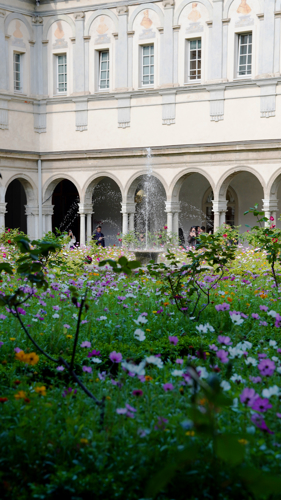
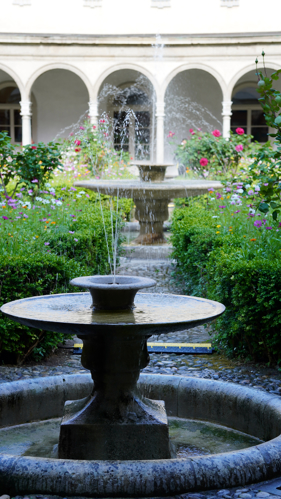
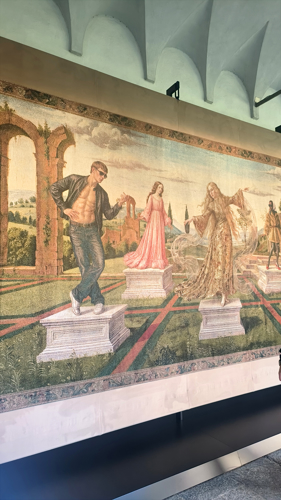
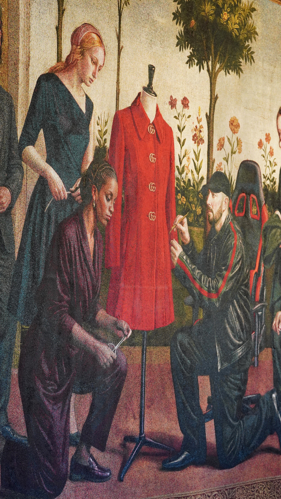
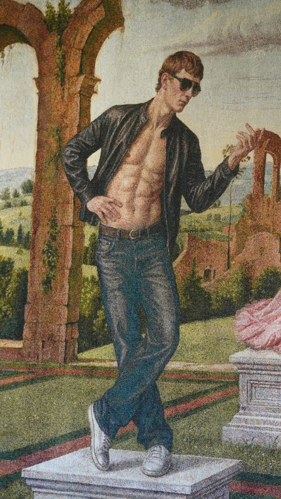
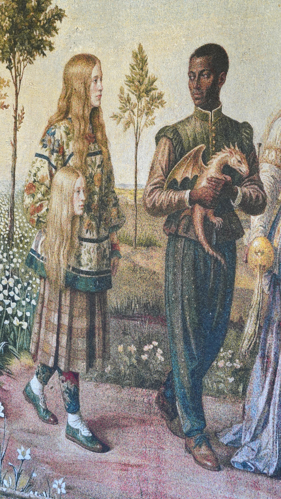
All eyes in the fashion world are currently on Demna Gvasalia, who has recently taken on the role of Gucci’s Creative Director. The “Gucci Memoria” exhibition is undoubtedly a successful one. It served as a bridge between past and present: a tribute to the brand’s 105-year history. Intricately detailed tapestries in the style of the Italian Renaissance depict twelve key moments that have defined the brand’s heritage. The tapestries don’t shy away from contemporary elements, which adds a sense of peculiarity - for example, you can see a gaming chair with Demna himself on one of them. The exhibition took place at the Chiostri di San Simpliciano, in the very heart of Brera, along cloisters surrounding a lush garden.
Deoron
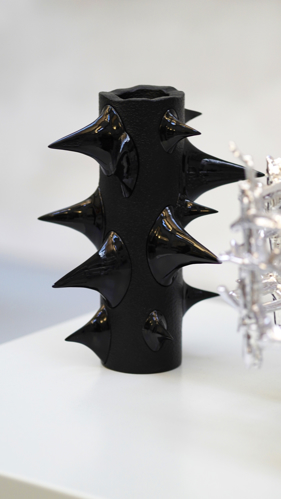
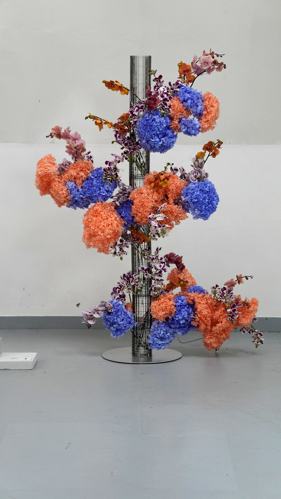
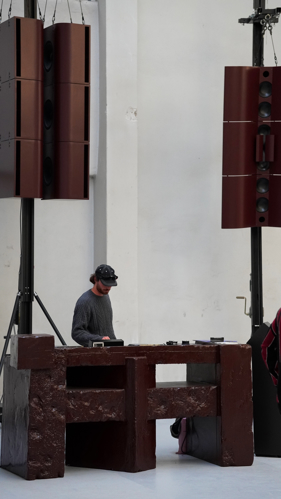
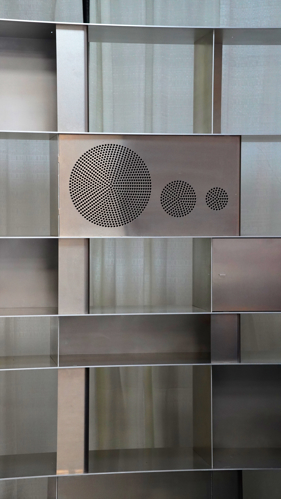
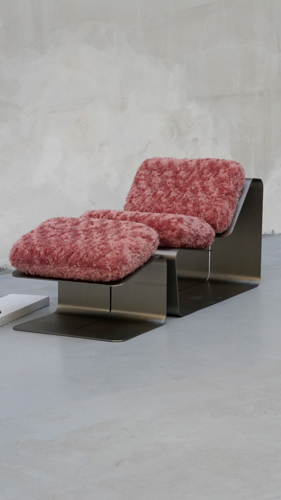
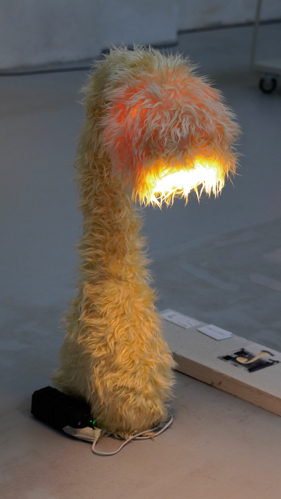
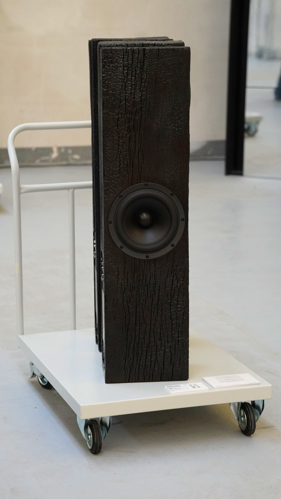
A beautiful finale to Milan Design Week. II’d happily take home half the objects from Deoron’s collection. At the entrance, you were greeted by a magical ikebana by Hamish Powell in a “vase” by Fundamental Berlin. The exhibition didn’t over-intellectualize anything, focusing on simply visually compelling pieces. From smaller objects like the spiky vase by GAST Studio, through the fur-and-steel daybed by Vincent Laine, to speakers made of charred wood by Studio Ambre. And you can’t not mention the monumental installation resembling a contemporary altar, built from burgundy New Fidelity speakers and a Yont Studio console in the same color. The designers could easily start a religion fit for 202 - and I’d gladly join the group of believers.
Below: Alexandre Veillon (1), Douze Degres (2), GAST Studio (3), Hamish Powell x Fundamental Berlin (4), Napalosa (5), New Fidelity, Yont Studio (6), Stack Furniture (7), Vincent Laine (8), Xavier Kuster (9), Studio Ambre (10)
Ada Sokół is a Polish 3D artist and designer whose practice balances hyperrealism and dreamlike speculation, forming her signature universe – Adaversum. Her work merges digital precision with an organic sensibility, exploring the relationships between nature, technology, and the body. Having collaborated with brands such as Apple, Rimowa, Nike, and Gentle Monster, her work has been exhibited internationally, including at Tate Modern and Art Basel Miami. Through her projects, she constructs visual narratives that propose alternative visions of beauty – sensory, layered, and attuned to the complexities of the contemporary world.
adasokol.com